Proposed Duration: 4 months
Our Methodology for Implementing the ISO Quality Management System
Phase 1: Opening Meeting and Introduction to the ISO 9001:2015 Project
The opening meeting serves as the initial orientation for employees, introducing them to the project, its benefits, and its implementation steps. It explains the importance of complying with ISO 9001 requirements and the positive expected outcomes for both the institution and its staff.
Phase 2: Gap Analysis (GAP Analysis)
Using checklists and direct interviews with staff, process owners, and management, a field visit is conducted to review work procedures and evaluate the current operational situation.
The goal is to assess how closely current practices align with the ISO 9001:2015 requirements and to identify the gap between the current and desired state.
This stage also includes reviewing applicable technical specifications, regulations, and national legal frameworks relevant to the organization’s work.
Phase 3: Training and Qualification of Human Resources
A series of training programs are conducted throughout the project to:
- Raise awareness and understanding of ISO 9001 requirements.
- Equip project management and selected staff with the necessary skills and knowledge to prepare quality management system documentation.
- Introduce core ISO concepts such as the PDCA cycle, organizational context, interested parties, risk-based thinking, documented information, and corrective actions.
- Train a group of staff to become qualified internal auditors.
Phase 4: Documentation – Creating the Required ISO 9001:2015 Documents
Based on the gap analysis results and the organization’s existing systems, the consultant begins developing the required documentation, including:
- Quality Manual
- Policies and Procedures
- Forms and Templates
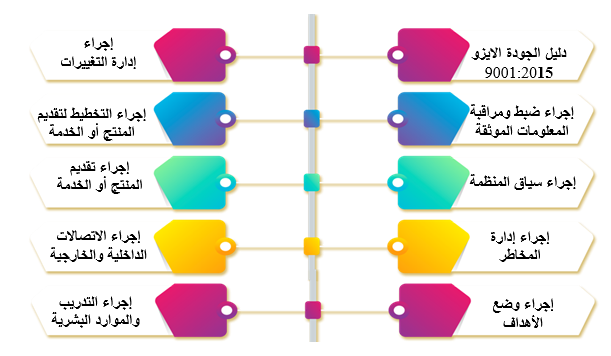
These documents cover all processes needed to establish the ISO 9001 system — for example (but not limited to):
Phase 5: Implementation of the Documented System and Record Keeping
After completing the documentation, the most critical stage begins — implementing the ISO 9001:2015 Quality Management System.
This involves:
- Applying all new procedures.
- Using all related forms and templates.
- Maintaining records as evidence of implementation.
- Monitoring the process to ensure proper use of documents and that the system achieves its intended quality objectives.
Phase 6: Internal Audit
At this stage, internal auditing ensures that all processes have been effectively implemented and remain compliant with ISO standards.
- The consultant prepares an internal audit plan.
- The internal audit team, trained and certified as Internal Auditors, conducts audits across all processes under consultant supervision.
This step verifies the effectiveness, efficiency, and compliance of the quality management system.
Phase 7: Management Review Meeting
Conducting a Management Review Meeting is a key ISO 9001 requirement.
The meeting ensures top management’s commitment and support for the quality management system. It also reviews overall performance, identifies opportunities for improvement, and ensures the provision of necessary resources.
The consultant assists in preparing meeting inputs, facilitating the session, recording decisions, and following up on recommendations.
Phase 8: Certification by an Accredited ISO Body
Once the consultant confirms readiness for certification, coordination is made with an internationally accredited certification body to conduct the external audit.
This includes:
- On-site evaluation.
- Review of documents and records.
- Verification of compliance with ISO 9001:2015 requirements.
After successful completion, the organization is recommended for the ISO 9001 certification in recognition of meeting all required quality management standards.
Would you like me to extend this same structure to also include ISO 21001 (Educational Organizations Management System) — showing how both systems (ISO 9001 & 21001) integrate in schools?
